Why conservation funders are watching how you treat others

Jul 13 / Adam Barlow

Quick answer

A funder assessing a conservation organisation is not only looking at the project on paper. They are also forming a view of how that organisation treats everyone connected to its work, the communities it operates alongside, the partners it collaborates with, and its own staff. This goes well beyond safeguarding alone. It includes whether an organisation engages local and indigenous communities ethically, respecting their right to give or withhold consent over decisions that affect their land and resources. It includes whether an organisation has policies on inclusion, making sure training, support, and opportunities reach as many groups as possible without excluding people because of background, gender, or capability. Funders increasingly look for evidence of all of this, not just as a compliance exercise but as a marker of whether an organisation's stated values match how it operates. If your website has nothing to say about any of it, a funder has no way of knowing whether your work reflects the values it claims to hold.

Contents

    Why a funder is judging more than the project

    I used to think professionalism was mostly about how polished our proposals and our website looked. What I have come to understand is that a funder is trying to work out something less visible than polish, which is what an organisation is like internally and in its relationships, and whether that culture is likely to put their money and their reputation at risk.

    This is why due diligence increasingly looks past the project description toward governance and values. A rising number of regulatory concern cases each year point toward exactly this gap, organisations whose stated mission and whose actual conduct did not match, and many of these issues could have been identified earlier through consistent checking of the kind of policies and practices a funder is now expected to review before committing.

      Ethical practice with the communities you work alongside

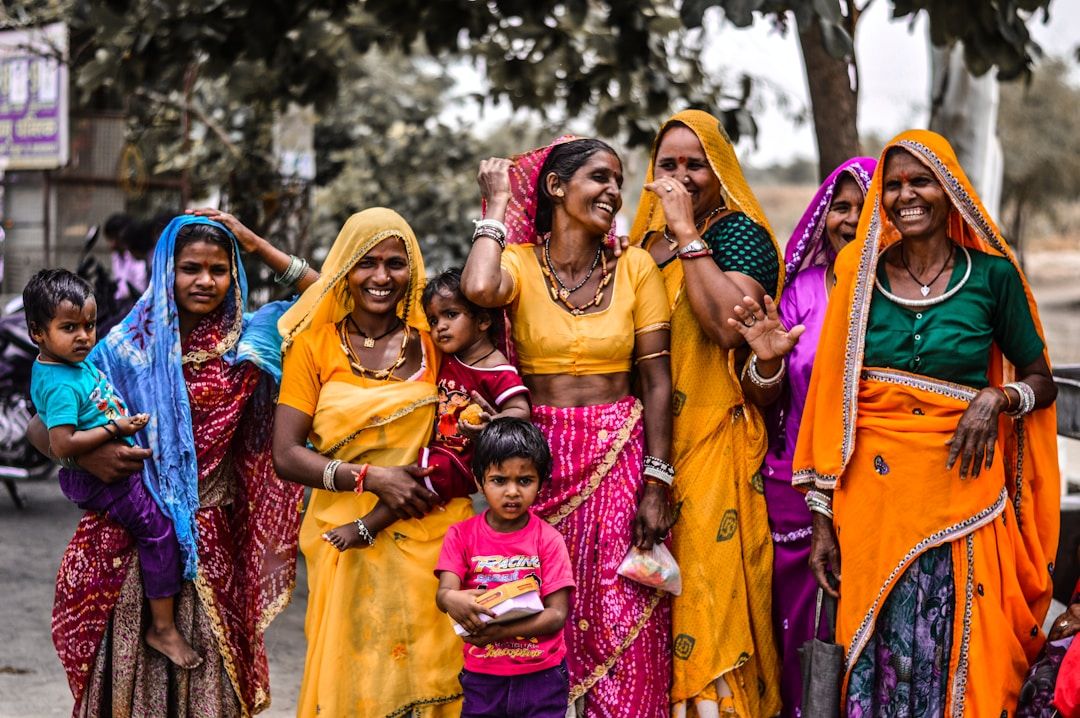
      Conservation work often takes place on or near land that indigenous peoples and local communities have lived on and managed for generations. How an organisation engages those communities is one of the clearest signals of its values that a funder can find. Free, prior, and informed consent has become a recognised standard for this kind of engagement, meaning a community's right to give, withhold, or later withdraw consent to a project that affects their land, resources, or way of life, made without pressure and with full information before any decision is finalised.

      Major conservation organisations now build this principle directly into how they design, deliver, and monitor their work, treating equity and fairness in these relationships as foundational rather than optional. A funder increasingly wants to see that this thinking is present in how an organisation describes its own community engagement, not just assumed because the organisation works in conservation. A vague statement about community involvement reads very differently to a funder than a clear account of how consent, benefit sharing, and ongoing dialogue are built into a project.
        Inclusion, accessibility, and non-discrimination

        The same scrutiny extends to who an organisation's work reaches. A funder wants to see that training, support, and opportunities are genuinely accessible, not limited in practice to people with a certain background, level of ability, or set of circumstances. This means considering whether programme materials, events, and application processes are usable by people with disabilities, whether cost or location creates a barrier that falls unevenly on some groups, and whether an organisation's own policies actively work against excluding people rather than leaving inclusion to chance.

        This is one of the reasons we built a course specifically on a human rights-based approach to conservation, since treating rights and inclusion as a designed-in part of how conservation work operates, rather than an afterthought, is itself part of demonstrating this kind of credibility. An organisation that can point to a clear policy on inclusion, and to concrete steps it has taken to make its work accessible to different groups and capabilities, gives a funder something specific to check rather than a general assurance to take on faith.

          UNLOCK OUR FULL BEST PRACTICES AND GET CERTIFIED CONSERVATION SKILLS

          Ready to go deeper? Build practical skills for wildlife conservation by exploring our expert-led courses designed to help you apply what you’ve learned in real-world contexts. From career development to technical conservation tools, our training is built to support your next step.

          What good treatment of your team looks like from the outside

          A funder cannot sit inside your organisation to see how staff are treated, so they read the signals available to them. A website that names real people with real roles, that reflects a stable and settled team rather than constant unexplained turnover, and that speaks about staff in a way consistent with how it speaks about beneficiaries, all suggest an organisation that treats its own people the way it claims to treat everyone else.

          Safeguarding sits at the centre of this. Trustees are expected to proactively promote and protect the welfare of everyone connected to the charity, and to take reasonable steps to prevent harm, not only to beneficiaries but to staff and volunteers as well. A visible, current safeguarding policy is one of the clearest ways an organisation can show a funder that this responsibility is being taken seriously rather than assumed.

            What good treatment of your partners looks like

            The same scrutiny extends outward to how an organisation treats the partners it works alongside. A funder reading about a partnership is watching for signs of mutual respect and fair dealing, not just shared branding. Late payments to smaller partner organisations, one sided credit for joint work, or a pattern of partnerships that end without explanation all raise the same kind of concern that poor internal culture does.

            This matters particularly for conservation organisations working across borders and with community partners who may have far less negotiating power. A funder increasingly wants to see that a partnership is genuinely equitable, not simply a larger organisation directing a smaller one and calling it collaboration.

              Why policies matter more than good intentions

              Good intentions are easy to state and hard to verify. Policies are the opposite. A funder conducting due diligence commonly checks whether an organisation holds current policies covering safeguarding, equality and inclusion, community engagement or a rights-based approach, whistleblowing, and anti-bribery, alongside confirmation that each has been reviewed within the last two years and has a scheduled future review date.

              This level of detail matters because a policy that has not been reviewed in years signals the same thing an absent policy does, that the organisation is not actively managing the risk or the responsibility it claims to have addressed. A funder is not just checking that a document exists. They are checking that it is being kept alive and applied.

                How to show this on your website

                A few practices help make professionalism and values visible where a funder can see them.

                • Publish current safeguarding, equality and inclusion, and community engagement policies somewhere easy to find, with a visible review date rather than leaving a funder to assume they exist.
                • Describe how your organisation approaches consent and dialogue with the communities it works alongside, rather than leaving this implied by the fact that the work is conservation.
                • Describe your team with enough detail that a funder can see a real, stable group of people behind the organisation, rather than a page that reads as an afterthought.
                • Describe partnerships in a way that reflects what both sides contribute and gain, rather than presenting a partner organisation as simply a beneficiary of your work.
                • Keep policies and team information current, since outdated material undermines the same trust it was meant to build, once a funder notices the gap.

                  FAQ

                    Latest from our blog

                    UNLOCK OUR FULL BEST PRACTICES AND GET CERTIFIED CONSERVATION SKILLS

                    Ready to go deeper? Build practical skills for wildlife conservation by exploring our expert-led courses designed to help you apply what you’ve learned in real-world contexts. From career development to technical conservation tools, our training is built to support your next step.