ETHICAL DECISION MAKING FOR WILDLIFE CONSERVATION
Learn a structured process to help make ethical decisions in any conservation situation that involves competing interests and difficult choices
LEARN HOW TO
• Approach ethical dilemmas with clarity, confidence, and a structured process.
• Identify the values, beliefs, and moral perspectives at stake in a conservation decision.
• Recognise and frame ethical dilemmas before they escalate.
• Apply six guiding principles that keep your decisions grounded in conservation values.
• Weigh competing options fairly, considering both people and wildlife.
• Predict and assess the likely results of different courses of action.
• Select and justify the most ethical path forward in complex, real-world situations.
Videos
Exercises & quizzes
EARN YOUR CERTIFICATE
To earn your certificate, you will need to take and pass our exam. This will be a multiple choice exam. Earning your certificate in this way is important to demonstrate to yourself and others (e.g. employers) that you have attained a high standard in this key skill set.
However, the exam is nothing to worry about. If you need more time or any kind of additional support for the exam then the instructor is there to help. Most people pass first time and there is a free retake for anyone that doesn't.
Once you earn your certificate you will be added to our WildTeam global skills directory.
I have really enjoyed completing all the WildTeam wildlife conservation courses. They have equipped me with the necessary skills I need to begin searching for jobs in conservation after university.
CAREER STARTER
I enjoyed the flexibility of the training and the support we got from the faculty members. I feel empowered to volunteer with organizations in my local community to apply all I have learned.
CAREER SWITCHER
I truly enjoyed Project Management for Wildlife Conservation (PMWC) offered by WildTeam UK. It gave me practical tools and a clearer structure for planning, monitoring and evaluating conservation projects.
PRACTITIONER
The WildTeam courses have been incredibly valuable in my career. As a Projects Manager, the skills I've learned have improved the way I organise and manage conservation work. The courses are thoughtfully designed, inspiring, and offer a great opportunity to learn from others who are making a real difference to secure a future for wildlife around the world.
PRACTITIONER
The WildTeam courses have strengthened my ability to plan, manage, and evaluate conservation projects with clarity and purpose. These skills are already shaping the way I contribute to conservation efforts, helping me work more effectively and strategically toward what matters most to me: protecting biodiversity and making a meaningful, lasting impact on species conservation.
CAREER STARTER
This course has equipped me with practical skills to design, implement, and manage sustainable conservation projects that create impact. With this certification, I am better prepared to plan and coordinate wildlife conservation initiatives that promote environmental sustainability and community involvement.
CAREER STARTER
The Grant Writing course was both practical and insightful. I not only learned how to structure and present proposals effectively while communicating ideas clearly, but I also discovered critical preliminary steps to take before the actual writing process—steps I hadn’t considered before but now understand are essential for creating strong and impactful proposals. I believe these skills will significantly enhance my organization’s chances of securing funding for our bird conservation work.
PRACTITIONER
I have already used the skills I learnt from this course. It has set me up for success!
CAREER STARTER
This course has helped me perfect on my skills, learn new knowledge and more so, I was able to built rapport with the conservationists who took part. I highly recommend this course to anyone having imposter syndrome as at the end of the course you will have perfected in the areas you doubted yourself.
CAREER STARTER
IS THIS COURSE RIGHT FOR ME?
WHY IS ETHICAL DECISION-MAKING IN WILDLIFE CONSERVATION SO IMPORTANT?
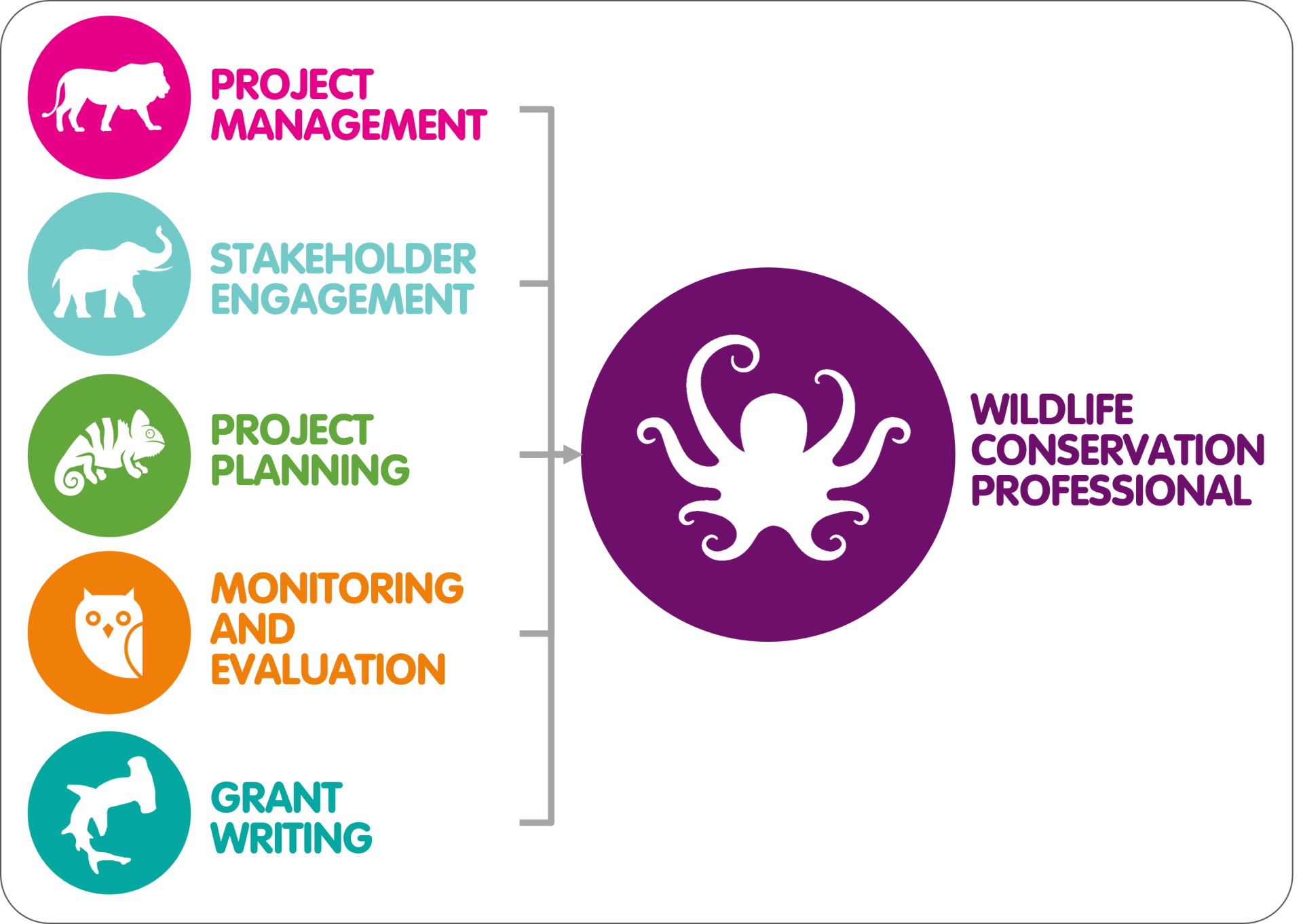
BECOME A WILDLIFE CONSERVATION PROFESSIONAL
ONE PAYMENT, FULL ACCESS, MAXIMUM VALUE.
Project Management | Project Planning | Grant Writing | Stakeholder Engagement | Monitoring and Evaluation | Launching Your Career | Consulting | Facilitation | Delivering Training | Ethical Decision Making | Human Rights-Based Approach | Free, Prior and Informed Consent
Unlock unlimited learning with the WildTeam Memberships. For £290/year or £29/month, you get full access to every course in our school, including all current courses and all future courses released during your membership. Individual courses cost £190 each. With 11 courses already available, buying them separately would cost £2,090. Memberships give you access to all of them, plus future releases, for less than the price of two.
COURSE CONTENT
DOWNLOAD YOUR BEST PRACTICE