
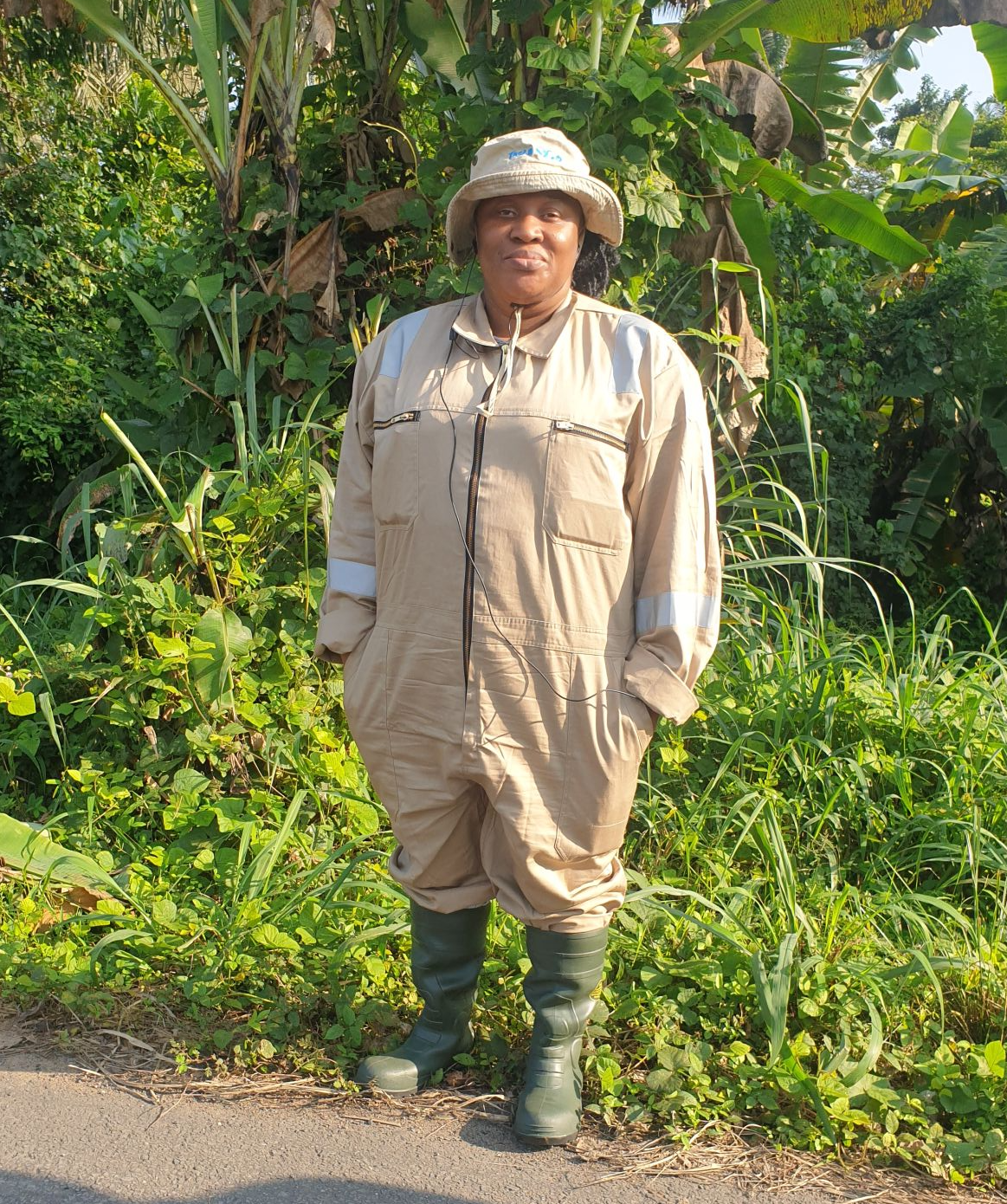
DR. GRACE ALAWA

FROM UNIVERSITY LECTURER TO ENVIRONMENTAL CHANGEMAKER IN NIGERIA

Grace is a university lecturer and conservation advocate from Nigeria who is passionate about protecting biodiversity and inspiring the next generation of environmental leaders. Alongside her academic work, she founded Sustainable Actions for Nature, an organisation dedicated to raising awareness about ecosystems and the importance of conservation. Through WildTeam training, Grace strengthened the practical skills and confidence needed to turn her knowledge into real-world action.

Courses taken

Project PlanningGrant Writing, Project Management, Monitoring & Evaluation, Stakeholder Engagement

Role

University Lecturer & Founder of Sustainable Actions for Nature

Focus

Environmental education, biodiversity awareness & conservation advocacy

Location

Nigeria
“The courses are very practical. You can immediately see how to apply what you're learning in real situations.”
DR. GRACE ALAWA, University Lecturer & Founder of Sustainable Actions for Nature, Nigeria
Focus: Environmental education, biodiversity awareness & conservation advocacy

Turning a passion for wildlife into action
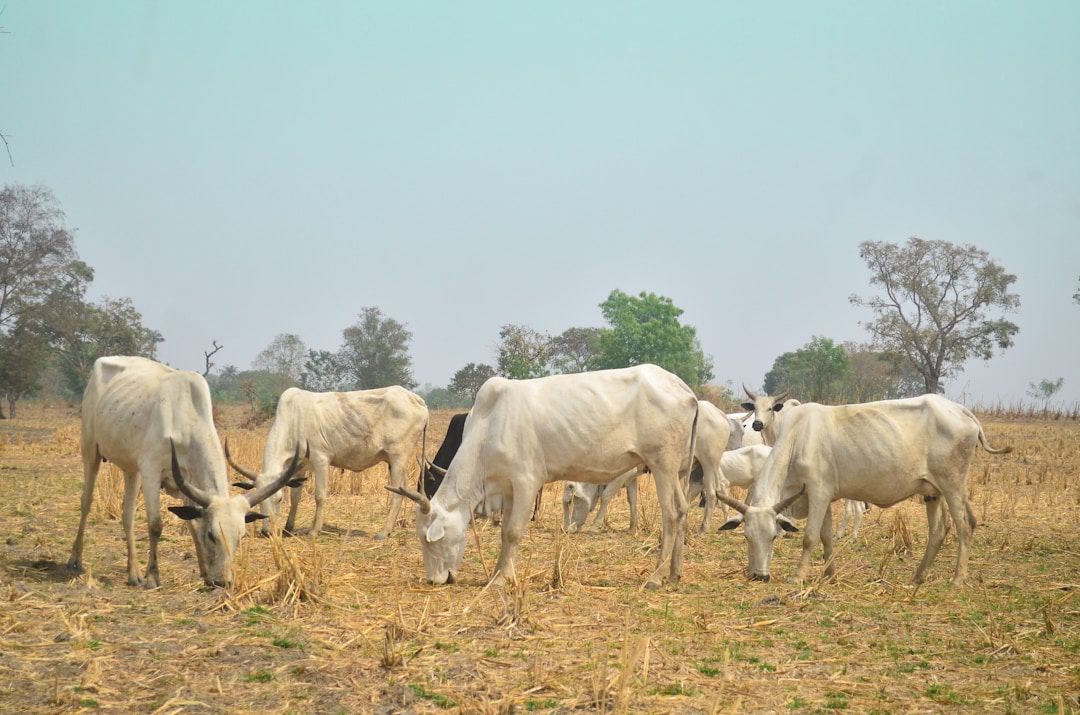
Grace has always been passionate about wildlife and the environment. Today, she works as a university lecturer in Nigeria, helping students understand the importance of biodiversity and environmental protection.

Alongside her academic work, she is also the founder of Sustainable Actions for Nature, an environmental organisation focused on raising awareness about biodiversity and the importance of protecting ecosystems. But the path to building this work wasn’t always clear. Like many conservationists, Grace wanted to move beyond theory and develop practical skills that would help her make a real impact. That search for practical knowledge is what led her to WildTeam’s conservation training.

Discovering practical conservation training

When Grace first began exploring the courses, one of the things that immediately stood out was how accessible and structured the learning experience felt.
“The courses are simplified in a way that anyone can follow. They’re easy to understand, but still very practical.”
Rather than focusing purely on theory, the courses are designed to help learners apply conservation principles to real-world situations. Grace explains that the learning structure made it easier to understand complex ideas and gradually build confidence as she progressed through the material.
“At first you might feel like you don’t know anything, but as the course continues you realise you can actually work through examples yourself.”
Assignments and assessments helped reinforce that learning. For Grace, this process made the training feel interactive rather than passive.
“When you’re given work to do, you can actually assess yourself and see your progress.”

Learning skills That translate to the field

One of the biggest benefits Grace experienced was how the training translated directly into her work in conservation and environmental education.

A particularly valuable course for her focused on stakeholder engagement, a critical skill for conservation practitioners working with communities, organisations, and policymakers.
“When they taught us about different stakeholders and how to handle different issues, it really helped.”
The course used diagrams and visual frameworks to explain how conservation challenges can involve many different actors with competing priorities. That approach worked particularly well for Grace’s learning style.
“The courses use a lot of diagrams, and for me the visual side really helps.”
Now, when she encounters complex situations in the field or in her work, she finds herself recalling those frameworks. These practical tools have become part of how she approaches conservation challenges.
“When I’m face-to-face with an issue in the field, I remember the diagrams and how the course explained it.”
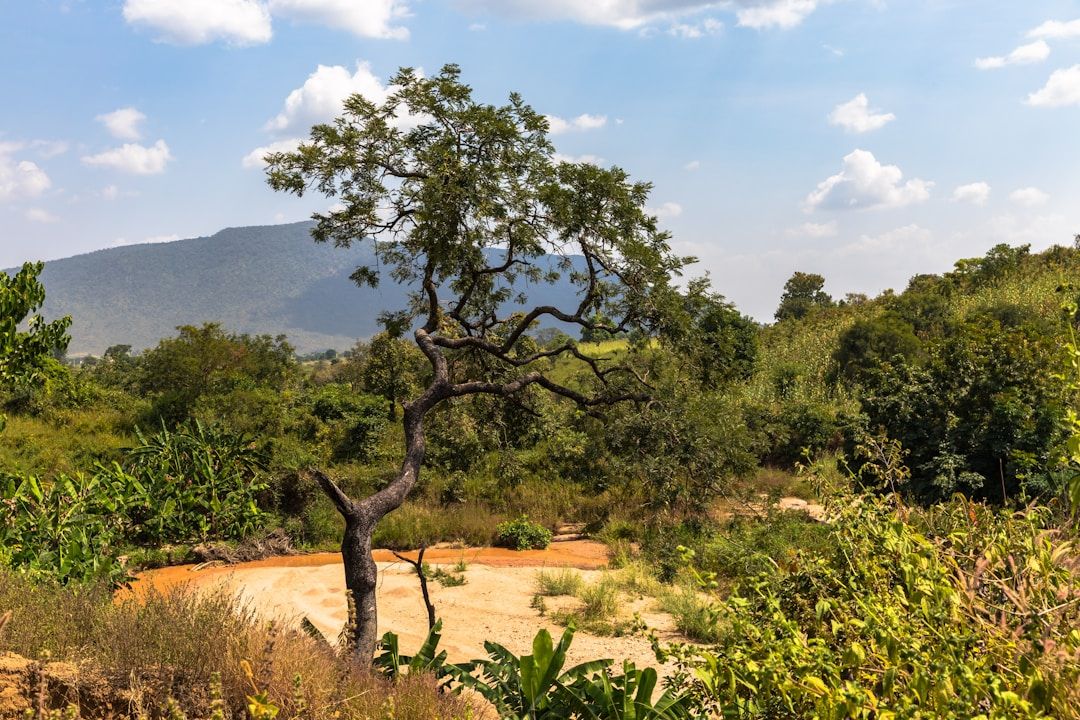
Building confidence as a conservation professional

Beyond the technical knowledge, one of the biggest impacts the courses had on Grace was confidence. For conservation practitioners, especially those early in their careers, confidence can be just as important as knowledge.

Grace explains that understanding the principles behind conservation projects helps her feel better prepared when discussing ideas, designing initiatives, or working with others.
“When I’m talking to people about conservation work, there’s that confidence because you know the knowledge is there.”
This sense of confidence also comes from knowing she can return to the course materials whenever she needs to refresh her understanding. WildTeam courses include glossaries, definitions, and reference materials that learners can revisit. For Grace, the courses have become a resource she continues to draw from long after completing them.
“I go back to the course materials quite often. The glossary and definitions are really useful.”

Starting an environmental organisation during COVID

While continuing her work as a lecturer, Grace also took a major step during the COVID-19 pandemic: founding her own environmental organisation. The idea came during the global lockdown, when many people were reflecting on the relationship between humans and nature.
“During the lockdown I sat down and said, finally it’s time to start putting my knowledge into action.”
With a background in wildlife and conservation, Grace decided to establish Sustainable Actions for Nature. The organisation focuses on raising awareness about biodiversity and helping people understand the importance of ecosystems.
“The goal is to help people understand biodiversity, the ecosystem services it provides, and how we can reduce our impact on the environment.”
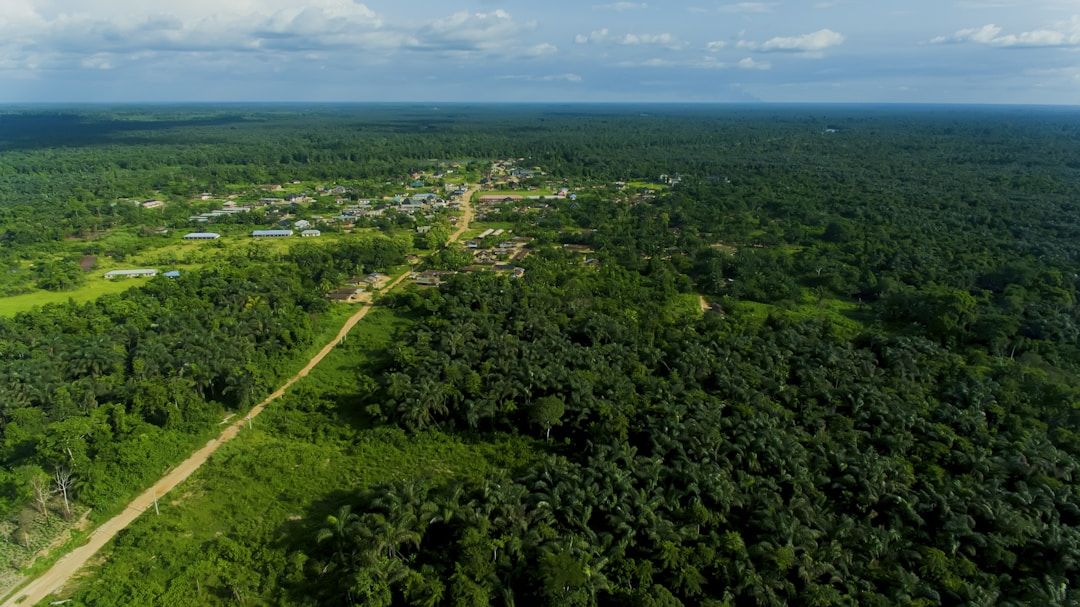
Launching a new organisation is never easy, and Grace acknowledges that building the NGO has been challenging. Step by step, the organisation is growing and helping to spread awareness about environmental issues.

Passing knowledge on to the next generation

As a lecturer, Grace is also passionate about helping the next generation of conservationists develop the skills they need to succeed. Because of her positive experience with the courses, she hopes to encourage more students and colleagues to explore similar training opportunities.
“I would encourage people to take the courses because they’re practical. If I had my way, these courses would be taught even more widely. ”
She believes the practical nature of the training makes it particularly valuable for students preparing to work in conservation. By combining academic teaching with real-world training, Grace hopes to help future conservationists build both knowledge and practical skills.

Continuing the conservation journey

For Grace, conservation is not just a career, it’s a long-term commitment to protecting nature and helping people understand their relationship with the environment.

Through her work as a lecturer and through Sustainable Actions for Nature, she continues to promote biodiversity conservation and environmental awareness in Nigeria. Training has played an important role in strengthening the knowledge and confidence needed to pursue that mission.
“Training like this helps you grow and apply conservation knowledge in the real world.”
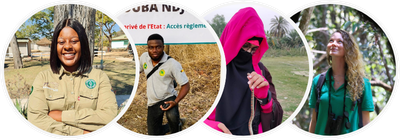
Join over 2.5k conservationists already learning with WildTeam

Courses Grace has successfully completed

More stories

Read more about our incredible alumni and their inspiring success stories.

READY TO START YOUR JOURNEY?

Join thousands of conservationists developing the skills needed to protect wildlife and ecosystems worldwide. WildTeam courses are designed and taught by experts, and built for real-world conservation challenges.